History of Lodi: From Railroad Beginnings to Modern Growth
Lodi’s history traces back to 1859, when local families decided to establish a school near what is now Cherokee Lane and Turner Road. The city’s foundation was solidified in 1869 when pioneer settlers offered a 160-acre site to the Central Pacific Railroad, facilitating the creation of a new route. Initially known as Mokelumne Station, the town later changed its name to Lodi, possibly inspired by Lodi, Italy, where Napoleon won his first major victory in 1796. Incorporated in 1906, Lodi grew rapidly over the decades, with significant public buildings like the Lodi Opera House and Carnegie Library marking the city’s development.
Lodi Today: A Vibrant and Diverse Community
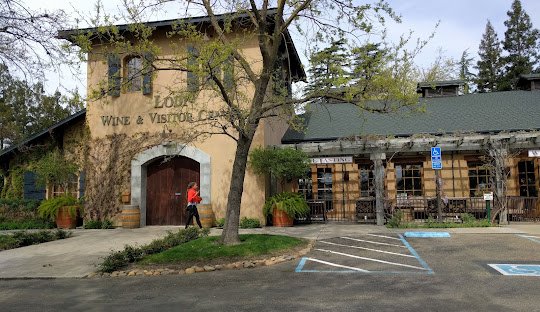
With a population of 66,348 according to the 2020 Census, Lodi is a thriving community in California’s Central Valley. The city’s demographic makeup is diverse, with significant populations of White, Hispanic, and Asian residents, and a growing number of households with families and children. The city continues to grow, with modern amenities, a strong local economy, and a commitment to preserving its historic charm. Lodi’s development has been marked by both urban growth and the preservation of green spaces, making it a desirable place to live, work, and visit.
Geography and Environment: The Heart of California’s Central Valley
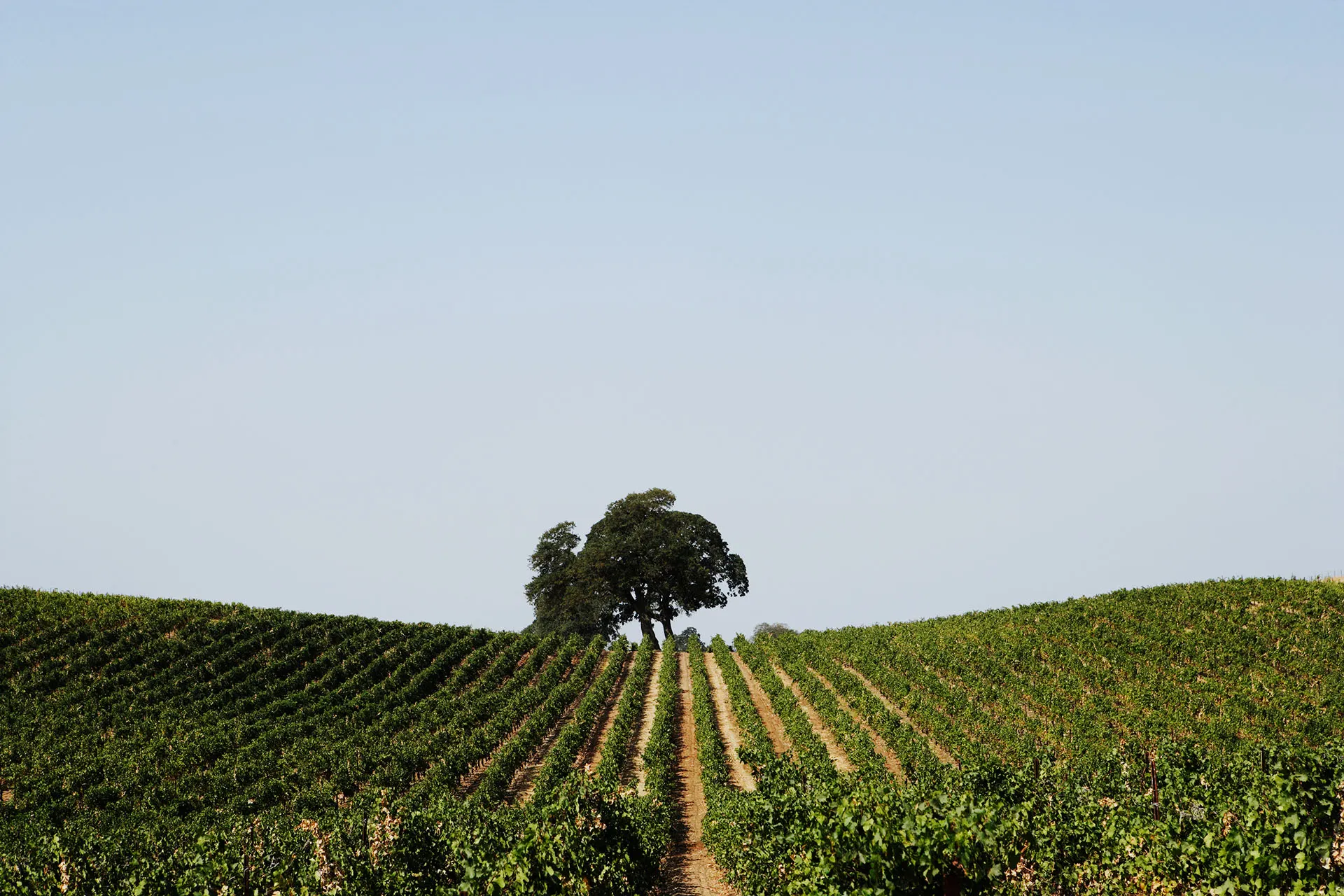
Lodi is located in the heart of California’s Central Valley, with flat terrain at an elevation of about 50 feet above sea level. The city covers approximately 13.9 square miles, with the majority of its land used for agriculture. Known for its scenic vineyards and surrounding farmlands, Lodi has long been a hub for agricultural production, especially wine grapes and other crops. The region's greenbelt efforts help maintain a buffer between Lodi and nearby Stockton, preserving the area’s rural beauty while fostering urban growth.